


 English
 Spanish
 French
 German
 Italian
 Chinese (Simplified)
 Japanese
 Korean
 Arabic
 Portuguese

Textile Dyes
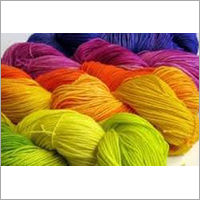

Textile Dyes Specification
- HS Code
- 3204
- Purity
- High
- Density
- Gram per cubic centimeter(g/cm3)
- Molecular Formula
- Varies depending on composition
- Solvent Color
- Varies with dye type
- Other Names
- Fabric colorants clothing dyes
- Poisonous
- NO
- Shape
- Fine granules or liquid form
- Resistance
- Heat resistance light resistance
- Grade
- Industrial grade
- Application
- Textile industry
- Structural Formula
- Varies by dye type
- Ph Level
- Neutral to acidic
- Water Resistance
- Varies by dye type
- Rubbing Resistance
- High
- Melting Point
- Varies
- Strength
- High tinting strength
- Solubility
- Soluble in water
- Smell
- Odorless
- CAS No
- Not available
- Type
- Natural and synthetic dyes
- Usage
- Textile coloring fabric dyeing
- EINECS No
- Not available
- Physical Form
- Powder or liquid
About Textile Dyes
With a vision to be a leader in our domain, we are instrumental in the business of manufacturing and supplying of Textile Auxiliaries to our diverse group of customers. These auxiliaries are widely used to wash and dye yarns and fabrics. Perfect for textile products, our delivered auxiliaries are available in nonionic, surfactants, cationic and amphoteric forms. Also, these Textile Auxiliaries are suitable for printing, finishing, dying and sizing operations.
Features:
Features:
- Stable to alkaline pH
- Extremely softener
- Excellent binding facility
High-Performance Textile Dyes for Vibrant Fabric Coloring
Engineered for excellence, these textile dyes offer superior tinting strength and reliable colorfastness in both natural and synthetic variants. Applied across the textile industry, their solubility in water and robust resistance to heat, light, and rubbing make them ideal for professional fabric dyeing. The selection includes dyes in powder or liquid forms, suitable for diverse manufacturing requirements. An odorless, industrial-grade product, these dyes cater to large-scale garment and fabric production with a focus on durability and vivid color.
Comprehensive Application in the Textile Industry
Textile dyes are extensively used in the coloring of fabrics for clothing, upholstery, and industrial textiles. Their adaptability to neutral or acidic conditions, as well as availability in granular and liquid forms, streamlines processing and ensures compatibility with a wide range of fibers. Leveraging advanced technology, these dyes meet stringent industry standards for purity and performance while being supplied by reputable distributors, exporters, and manufacturers in India.
FAQs of Textile Dyes:
Q: How are textile dyes applied during the fabric dyeing process?
A: Textile dyes are dissolved in water and applied to fabrics through various processes such as immersion, batch dyeing, or continuous dyeing. The method depends on the type of fiber and desired color intensity, ensuring even and vibrant results.Q: What are the main benefits of using high-strength textile dyes?
A: The key advantages include brilliant coloration, high tinting strength, excellent resistance to light, heat, and rubbing, and the ability to achieve uniform, long-lasting results across different fabric types.Q: When should one opt for natural versus synthetic textile dyes?
A: Natural dyes are preferred for environmentally-conscious projects and traditional textiles, while synthetic dyes are selected for their wider color range, stability, and robust performance in large-scale industrial applications.Q: Where are these textile dyes commonly utilized?
A: They are primarily used in the textile industry for coloring fabrics in garments, upholstery, industrial textiles, and household products requiring consistent and lasting coloration.Q: What is the typical process for selecting the appropriate dye type?
A: The selection involves considering the fabric type, desired color fastness, application method, and environmental requirements. The solubility and resistance properties are matched to specific production needs for optimal results.Q: How does the pH level influence the performance of textile dyes?
A: The neutral to acidic pH of these dyes ensures compatibility with most fibers, supporting optimal dye uptake while preventing fabric damage or unwanted color changes during the dyeing process.Tell us about your requirement

Price:
Quantity
Select Unit
- 50
- 100
- 200
- 250
- 500
- 1000+
Additional detail
Mobile number
Email

More Products in Direct Dyes Category
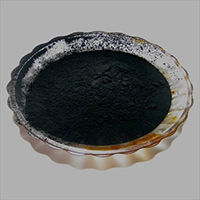
Direct Black Dye
Poisonous : NO
Other Names : Direct Black 38 Black Dye
Type : Other, Synthetic direct dye
Solvent Color : Black
Physical Form : Powder
Solubility : Soluble in water
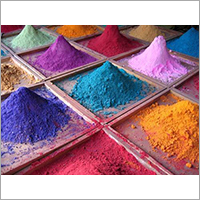
Pigments Dye
Poisonous : Nontoxic, Other
Other Names : Coloring pigments Industrial dyes
Type : Pigment Dye, Other
Solvent Color : Varies depending on pigment
Physical Form : Powder
Solubility : Insoluble in water but dispersible in solvents
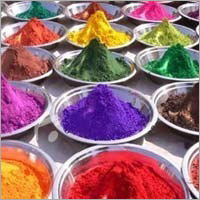
Vinyl Sulphone Dye
Poisonous : Other, Nontoxic
Other Names : Reactive Vinyl Sulphone Dye
Type : Reactive Dye
Solvent Color : Varied
Physical Form : Powder
Solubility : Soluble in water
Paper Dyes
Poisonous : NO
Other Names : Paper Colorants
Type : Dye, Other
Solvent Color : Vivid colors
Physical Form : Liquid or Powder, Other
Solubility : Soluble

Contact Details
NAVIN CHEMICALS
GST : 24AABFN5399N1ZP
GST : 24AABFN5399N1ZP
Address
- PLOT NO. 317/4 AND 5, 40 SHED AREA GIDC ESTATE,Vapi - 396195, Gujarat, India
- Phone :08045803096
- Send Inquiry
 Send Inquiry
Key person
- Mr Rajnikant Patel (Partner)
- Mobile :08045803096

|

 |
NAVIN CHEMICALS
All Rights Reserved.(Terms of Use) Developed and Managed by Infocom Network Private Limited. |
