


 English
 Spanish
 French
 German
 Italian
 Chinese (Simplified)
 Japanese
 Korean
 Arabic
 Portuguese

Salt Free Dyes
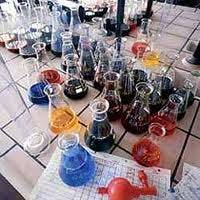

Salt Free Dyes Specification
- Rubbing Resistance
- High
- Density
- Gram per cubic centimeter(g/cm3)
- Moisture (%)
- <1.0%
- Shape
- Fine Powder
- Strength
- Standardized as per shade
- Solubility
- Easily soluble in water
- Taste
- Odorless
- Grade
- Industrial Grade
- Application
- Used for dyeing and printing of fabrics such as cotton, viscose, silk, and wool
- Purity
- >99%
- Water Resistance
- Excellent
- Molecular Formula
- Varies as per color/dye
- Size
- Micronized Fine Powder
- Solvent Color
- Varies by dye type
- Resistance
- Good washing and light fastness
- Boiling point
- Not Available
- Melting Point
- Not Available
- Smell
- Odorless
- HS Code
- 3204
- Shelf Life
- 2 Years
- Structural Formula
- Varies by chemical class
- CAS No
- Not Available
- Type
- Salt Free Dye
- Usage
- Textile Industry, Dyeing, Printing
- EINECS No
- Not Available
- Physical Form
- Powder
About Salt Free Dyes
To cater the various requirements of our esteemed clients, we are providing Salt Free Dyes. Finds wide applications in inkjet, these dyes exhibit excellent exhaustion and have improved dye fixation properties. In order to process these dyes, our seasoned professionals use reverse osmosis based machinery that removes salt and other impurities from these dyes. Further, these dyes are also stringently tested on various quality parameters to ensure their flawless working. To meet the diversified demands of our clients, we offer these Salt Free Dyes in various specifications at marginal prices.
Features:
-
Accurate composition
-
Excellent fastness properties
-
Eco-friendliness
-
Optimum solubility
Specification:
| DIRECT BLUE 199 | 12222-04-7 |
| DIRECT BLUE 86 -LIQUID / POWDER | 1330-39-8 |
| DIRECT BLUE 71 | 4399-55-7 |
| DIRECT BLACK 22 | 2586-57-4 |
| DIRECT BLACK 168 | 3818-60-8 |
| DIRECT RED 80 | 2610.10.8 |
| DIRECT RED 81 | 2610.11.9 |
| DIRECT RED 31 ( RED 12B) | 5001.72.9 |
| DIRECT RED 23 (SCARLET 4BS) | 3441-14-3 |
| DIRECT ORANGE SE ( 26) | 3626-36-6 |
| DIRECT YELLOW 44 | 8005-52-5 |
Eco-Friendly Dye Solutions for Modern Textiles
Salt Free Dyes are designed with sustainability in mind, being free from hazardous chemicals, salts, and Azo compounds. Their biodegradable nature ensures minimal environmental impact while maintaining high-quality standards for industrial dyeing and printing processes. This makes them a reliable choice for manufacturers seeking safer and greener alternatives.
Wide Application Versatility and Customization
Available in a variety of vibrant shades, Salt Free Dyes can be tailored to meet client-specific requirements. Their stable performance across neutral to alkaline pH and excellent resistance properties allow effective application on materials such as cotton, viscose, silk, and wool. Flexibility in shade and packaging ensures these dyes fit diverse textile industry needs.
FAQs of Salt Free Dyes:
Q: How should Salt Free Dyes be stored to ensure optimal performance?
A: Salt Free Dyes should be kept in a cool, dry environment away from direct sunlight. Proper storage using sealed HDPE bags, paper bags, or cartons helps maintain their quality and prolongs shelf life, which is typically 2 years.Q: What types of fabrics are suitable for using Salt Free Dyes?
A: These dyes are ideal for dyeing and printing a range of textiles, including cotton, viscose, silk, and wool, thanks to their excellent dispersibility and water solubility.Q: Where are Salt Free Dyes manufactured and distributed?
A: Salt Free Dyes are produced in India and are available through various channels, including distributors, exporters, manufacturers, suppliers, and traders, catering to both domestic and international markets.Q: When is customization available for Salt Free Dyes?
A: Customization is offered as per client specifications, allowing users to request specific shades or packaging options to meet project needs and branding requirements.Q: What is the typical process for applying Salt Free Dyes in textile dyeing or printing?
A: The dye powder is easily mixed with water due to its micronized fine form, providing uniform dispersibility. It can be applied using standard dyeing and printing techniques, yielding consistent coloration across different fabric types.Q: What benefits do Salt Free Dyes offer compared to conventional dye options?
A: Salt Free Dyes are eco-friendly, readily biodegradable, and free from toxic salts and Azo dyes. They provide superior color fastness, excellent washing and rubbing resistance, and are safer for both users and the environment.Q: How do Salt Free Dyes maintain color stability under different pH conditions?
A: These dyes are engineered to remain stable in neutral to alkaline environments, ensuring consistent shade and performance during textile processing.Tell us about your requirement

Price:
Quantity
Select Unit
- 50
- 100
- 200
- 250
- 500
- 1000+
Additional detail
Mobile number
Email

More Products in Chemical Dyes Category
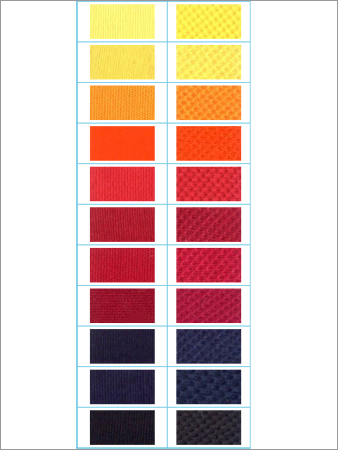
Liquid Dyes
Water Resistance : Good
Purity : 99%
Grade : Industrial
Other Names : Solvent Dye, Colorant
Application : Other, Textile, Leather, Paper, Detergent, Soap, Paint, Ink, Plastic
Solubility : Soluble in respective solvent base

Contact Details
NAVIN CHEMICALS
GST : 24AABFN5399N1ZP
GST : 24AABFN5399N1ZP
Address
- PLOT NO. 317/4 AND 5, 40 SHED AREA GIDC ESTATE,Vapi - 396195, Gujarat, India
- Phone :08045803096
- Send Inquiry
 Send Inquiry
Key person
- Mr Rajnikant Patel (Partner)
- Mobile :08045803096

|

 |
NAVIN CHEMICALS
All Rights Reserved.(Terms of Use) Developed and Managed by Infocom Network Private Limited. |
