


 English
 Spanish
 French
 German
 Italian
 Chinese (Simplified)
 Japanese
 Korean
 Arabic
 Portuguese

Paraformaldehyde
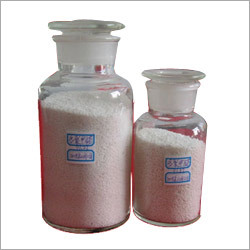

Paraformaldehyde Specification
- Smell
- Strong formaldehyde odor
- Taste
- Pungent
- HS Code
- 2912
- Melting Point
- 120C
- Storage
- Store in cool, dry place; keep container tightly closed
- Density
- 1.42 Gram per cubic centimeter(g/cm3)
- Form
- Solid
- Boiling point
- Decomposes before boiling
- Shape
- Powdered or granular
- Structural Formula
- [OCH2]n
- Refractive Rate
- Not available
- Molecular Formula
- (CH2O)n
- Solubility
- Soluble in water, alcohol, and ether
- Poisonous
- Yes
- Molecular Weight
- Variable, monomer unit 30.03 g/mol
- Other Names
- Polyoxymethylene, Formaldehyde polymer
- Classification
- Polymer
- Chemical Name
- Paraformaldehyde
- Grade
- Industrial Grade
- Standard
- Meet Industrial and Laboratory specifications
- Type
- Chemical compound
- Usage
- Industrial, Laboratory, Medical
- Main Material
- Formaldehyde polymer
- Application
- Used in pharmaceuticals, disinfectants, and fixative for microscopy
About Paraformaldehyde
Paraformaldehyde
Our company has emerged with its devotion & obligation to manufacture and export a broad range of Paraformaldehyde. Best known for precise pH value, purity and longer shelf life, these chemicals find use in different applications like as agricultural chemicals, coating, medicine, resins and paper making. In order to formulate high quality Paraformaldehyde, our professionals utilize quality tested compounds procured from the authentic vendors. Owing to superior quality, these chemicals are exported to overseas markets like Saudi Arabia, Egypt, Iran, Israel and Bangladesh.
Further Details:
CAS Number: 30525-89-4
Description: White prill with a strong, pungent characteristic "formaldehyde" odour.
Applications
- Agricultural chemicals: Paraformaldehyde used for production of herbicide, pesticide and bactericide, such as glyphosate, acetochlor, butachlor, machete, bismerthiazol, etc.
- Coatings: Paraformaldehyde used for synthesis of oil paint and top-grade for car paint.
- Medicines: Paraformaldehyde used for medical and hygienic disinfection instead of the formaldehyde
- Resins: Paraformaldehyde used for synthesis of glycol, trimethylolpropane, N-Methylolacrylamide, pentaerythritol, urea-formaldehyde resin, phenolic resin, melamine resin, ion exchange resin,high concentration resin etc.
- Others: Paraformaldehyde used for the paper making, the production of vitamin A, spiceries, terpenoid derivatives, developers, vinyl resin softener and the substitution of formaldehyde in synthetic resin, surfactant, plastics, rubber, leather, paper making, dyes, pharmacy, farm chemicals, films, building materials as well as disinfection, fumigation and antisepsis.
| Product | 96% Paraformaldehyde | 91% Paraformaldehyde |
| Appearance | Free flowing white granules/powder | Free flowing white granules/powder |
| Formaldehyde Content % | 96 ( +/- 1) | 91 ( +/- 1) |
| Methanol Content % | 0.5 max | 0.5 max |
| Free moisture content % | 1.25 max | 9.00 max |
| Acidity ( as Formic Acid) % | 0.03 max | 0.03 max |
| pH(10% Aqueus suspension) | 4 to 8 | 3.5 to 6.5 |
| Iron Content (ppm) | 2.00 max | 2.00 max |
| Ash Content (ppm) | 100 max | 100 max |
| Reactivity (minutes) | 2 to 4 | 2 to 4 |
| Melting point(Deg.C) | 120 - 170 | 120 - 170 |
| Bulk Density (kg/m3) | 750 - 850 | 750 - 850 |
| Grain Size (min 80%) micron | 200 - 1000 | 200 - 1000 |
| Odour | Pungent smell | Pungent smell |
Versatile Applications in Industry and Research
Paraformaldehyde plays a crucial role across multiple sectors, including pharmaceuticals, disinfectants, and microscopy as a reliable fixative. Owing to its chemical stability and efficacy, it finds use in both industrial processes and specialized laboratory environments. Its recognized standards ensure suitability for medical, laboratory, and industrial-grade requirements.
Safe and Effective Handling
Stored in a cool, dry place with tightly closed containers, paraformaldehyde maintains its integrity and shelf life. Users must exercise caution, as it is toxic by inhalation and skin contact. Proper safety measures, including the use of protective equipment and ventilation, are essential to mitigate exposure risks during handling and storage.
FAQs of Paraformaldehyde:
Q: How should paraformaldehyde be stored to ensure maximum stability?
A: Paraformaldehyde should be kept in a cool, dry place with the container tightly sealed to maintain its stability and extend its 12-month shelf life.Q: What are the main uses of paraformaldehyde in medical and industrial contexts?
A: Paraformaldehyde is mainly used as a disinfectant, a component in pharmaceutical production, and as a fixative in microscopy for preserving specimen structure.Q: When does paraformaldehyde begin to decompose, and what happens during decomposition?
A: Paraformaldehyde decomposes before boiling, particularly upon heating, releasing formaldehyde gas, which requires precautionary handling due to its toxicity.Q: Where is paraformaldehyde typically sourced or supplied from?
A: Paraformaldehyde is distributed, exported, and supplied by manufacturers and traders in India, typically packaged in bags or drums to meet industrial and laboratory specifications.Q: What is the process for using paraformaldehyde in laboratory applications?
A: For laboratory use, paraformaldehyde is often dissolved in water or appropriate solvents to prepare fixative solutions for tissue preservation or microscopic analysis.Q: What are the safety benefits of proper paraformaldehyde handling and storage?
A: Proper handling and storage minimize exposure to toxic fumes and reduce the risk of accidents, ensuring worker safety and maintaining chemical efficacy for its intended applications.Tell us about your requirement

Price:
Quantity
Select Unit
- 50
- 100
- 200
- 250
- 500
- 1000+
Additional detail
Mobile number
Email

More Products in Industrial Chemicals Category

Nitric Acid
Storage : Other, Store in a cool dry and wellventilated area away from flammable substances.
Grade : Reagent Grade
Usage : Used in the production of fertilizers explosives and in industrial chemical synthesis.
Chemical Name : Nitric Acid
Form : Colorless or yellowish liquid, Other

Ethyl Acetate
Storage : Other, Store in a cool wellventilated area away from heat sources and open flames
Grade : Industrial Grade
Usage : Paints Coatings Adhesives Cleaning Agents
Chemical Name : Ethyl Acetate
Form : Other, Clear Colorless

T G Urea
Storage : Other, Keep in a cool dry and ventilated place away from moisture
Grade : Technical Grade, Other
Usage : Used in agriculture as a nitrogenrelease fertilizer
Chemical Name : Urea
Form : Solid
Hydrogen Peroxide
Minimum Order Quantity : 1 Unit
Storage : Dry Place
Grade : Industrial Grade
Usage : Industrial
Chemical Name : Hydrogen Peroxide
Form : Liquid

Contact Details
NAVIN CHEMICALS
GST : 24AABFN5399N1ZP
GST : 24AABFN5399N1ZP
Address
- PLOT NO. 317/4 AND 5, 40 SHED AREA GIDC ESTATE,Vapi - 396195, Gujarat, India
- Phone :08045803096
- Send Inquiry
 Send Inquiry
Key person
- Mr Rajnikant Patel (Partner)
- Mobile :08045803096

|

 |
NAVIN CHEMICALS
All Rights Reserved.(Terms of Use) Developed and Managed by Infocom Network Private Limited. |
