


 English
 Spanish
 French
 German
 Italian
 Chinese (Simplified)
 Japanese
 Korean
 Arabic
 Portuguese

Fabric Reactive Dyes
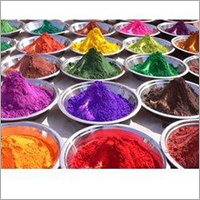

Fabric Reactive Dyes Specification
- Other Names
- Reactive Fabric Dye
- Ph Level
- Approximately 6-8 (1% Solution)
- Poisonous
- NO
- Shape
- Solid
- Smell
- Odorless
- Strength
- Standard Color Strength
- Resistance
- Good Light and Wash Fastness
- Purity
- 99%
- Taste
- Odorless
- Structural Formula
- Varies as per type
- Melting Point
- Above 100C
- Moisture (%)
- Max 1%
- Application
- Shelf Life
- 2 Years
- HS Code
- 32041600
- Molecular Formula
- Varies as per color
- Grade
- Industrial Grade
- Size
- As per requirement
- Solubility
- Soluble in Water
- Solvent Color
- Bright and Vibrant
- Rubbing Resistance
- Good
- Water Resistance
- Excellent
- CAS No
- Varies as per dye color and type
- Type
- Reactive Dye
- Usage
- Textile dyeing and printing
- EINECS No
- Varies as per dye composition
- Physical Form
- Powder and Granules
- Dispersibility
- Easy to disperse in water
- Packing Type
- HDPE bags, Drums, Customized Packaging
- Storage Conditions
- Store in a cool, dry place away from direct sunlight
- Fastness Properties
- Excellent washing and perspiration fastness
- Color Shades
- Wide range of color shades available
- Ionic Nature
- Anionic
- Particle Size
- Fine Powder
- Compatibility
- Compatible with various textile auxiliaries
About Fabric Reactive Dyes
Backed by the rich experience of the industry, we are engaged in providing Fabric Reactive Dyes. These dyes are available in red, green, yellow, blue and orange colors as per the choices of our valued end customers. Our provided dyes are suitable for all type of fabrics such as Tencel, rayon, cotton and bamboo. Also, these Fabric Reactive Dyes are tested on different parameters at the lab to ensure its eco-friendly nature.
Features:
Features:
- Ideal for permanent uses
- Come in powder form
- Can withstand ultraviolet rays
Wide Range of Fabric Applications
Designed for versatility, Fabric Reactive Dyes can be used on an array of cellulosic fibers, including cotton, viscose, and wool. Their adaptability ensures vibrant, lasting results across different fabric types, meeting the diverse needs of textile processors and designers alike.
Superior Fastness and Durability
These dyes are recognized for their outstanding resistance to washing, perspiration, light exposure, and rubbing. This superior fastness ensures that finished textiles retain their original shades and vibrancy, even after repeated use and laundering, enhancing product longevity.
Flexible Packaging and Safe Storage
Available in HDPE bags, drums, or customized formats, our dyes are securely packaged to uphold quality. For optimal shelf life, they should be stored in cool, dry conditions away from sunlight, extending their usability up to two years and reducing the risk of spoilage.
FAQs of Fabric Reactive Dyes:
Q: How are Fabric Reactive Dyes applied to textiles?
A: Fabric Reactive Dyes are typically dissolved in water and applied through dyeing or printing processes. They form a chemical bond with cellulosic fibers, ensuring deep penetration and vivid, durable coloring on materials like cotton, viscose, and wool.Q: What are the primary benefits of using these dyes for textile manufacturing?
A: The main advantages include a wide range of bright color shades, excellent washing and light fastness, ease of dispersion in water, and compatibility with various textile auxiliaries. These qualities guarantee long-lasting, high-quality results for manufacturers.Q: When should the dyes be stored or used after purchase?
A: It is advisable to store these dyes in a cool, dry place away from direct sunlight. When stored properly, they retain full efficacy for up to two years from the date of manufacture, allowing flexible inventory management.Q: What makes these dyes suitable for use on cotton, viscose, and wool fabrics?
A: Their anionic nature and specific reactive properties enable these dyes to bond effectively with the hydroxyl groups found in cellulosic fibers. This results in vibrant, permanent coloration tailored for a range of absorbent fabrics.Q: How should users handle packaging and storage of the dyes?
A: The dyes come in HDPE bags, drums, or customized packaging to suit different needs. For best results, they should be kept sealed in their original containers and stored in a cool, dry environment, out of direct sunlight to prevent degradation.Q: What is the process for achieving optimal color fastness with these dyes?
A: Following standardized dyeing proceduresincluding controlling pH levels, temperature, and using suitable auxiliariesensures the dyes develop their best shades and fastness. Adhering to recommended practices leads to excellent washing and rubbing resistance in finished textiles.Tell us about your requirement

Price:
Quantity
Select Unit
- 50
- 100
- 200
- 250
- 500
- 1000+
Additional detail
Mobile number
Email

More Products in Reactive VS Dyes Category
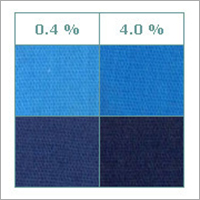
Turquoise Blue 21 Dyes
Application : Dyeing of textiles especially fabrics requiring turquoise blue shades., Other
Grade : Industrial Grade
Usage : Textile industry fabric dyeing, Other
Type : Reactive Dye
Physical Form : Powder
Other Names : Turquoise Blue Dye
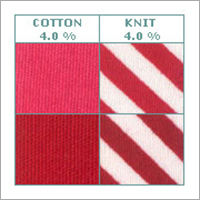
Red Reactive VS Dyes
Application : Other, Textile dyeing for cotton and knit fabrics
Grade : Industrial Grade
Usage : Other, Used in textile industry for dyeing cotton and knit fabrics
Type : Reactive VS Dye, Other
Physical Form : Powder
Other Names : Reactive Red Dye
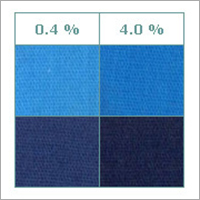
Turquoise Blue G Dyes
Application : Textile dyeing and printing, Other
Grade : Industrial Grade
Usage : Used in coloring textiles yarn and fabrics, Other
Type : Reactive Dye
Physical Form : Powder
Other Names : Turquoise Blue Reactive Dye
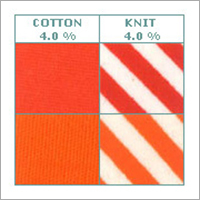
Orange Reactive VS Dyes
Application : Textile Dyeing, Other
Grade : Reactive Dyes
Usage : Other, Used for coloring cotton and knit fabrics
Type : Other, Textile Reactant
Physical Form : Powder
Other Names : Orange Reactive VS Dyes

Contact Details
NAVIN CHEMICALS
GST : 24AABFN5399N1ZP
GST : 24AABFN5399N1ZP
Address
- PLOT NO. 317/4 AND 5, 40 SHED AREA GIDC ESTATE,Vapi - 396195, Gujarat, India
- Phone :08045803096
- Send Inquiry
 Send Inquiry
Key person
- Mr Rajnikant Patel (Partner)
- Mobile :08045803096

|

 |
NAVIN CHEMICALS
All Rights Reserved.(Terms of Use) Developed and Managed by Infocom Network Private Limited. |
