


 English
 Spanish
 French
 German
 Italian
 Chinese (Simplified)
 Japanese
 Korean
 Arabic
 Portuguese

Basic Chemical Dyes
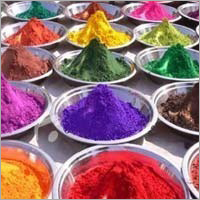

Basic Chemical Dyes Specification
- Shape
- Fine powdered form
- Density
- Gram per cubic centimeter(g/cm3)
- Purity
- Typically high for industrial use
- Grade
- Industrial grade
- Moisture (%)
- Variable
- Molecular Formula
- Variable based on dye composition
- HS Code
- 320413
- Other Names
- Pigment dyes synthetic dyes
- Solubility
- Soluble in appropriate solvents
- Rubbing Resistance
- Excellent
- Structural Formula
- Dependent on dye composition
- Ph Level
- Neutral to acidic
- Strength
- High color strength
- Resistance
- Good resistance to temperature and solvents
- Application
- Textile paper leather and industrial dyeing purposes
- Solvent Color
- Varied depending on dye
- Water Resistance
- Good
- Taste
- Tasteless
- Poisonous
- Non-poisonous
- Smell
- Odorless
- Type
- Synthetic chemical dyes
- Usage
- Used in dyeing and coloring applications for industrial and commercial purposes
- Physical Form
- Powder
About Basic Chemical Dyes
We feel proud to introduce as one of the renowned manufacturers & suppliers of the Basic Dyes in the market. These dyes are highly recognized among clients due to their great tinctorial strength, brightness and relatively economical. Also, our provided dyes are known for their high acid content, colored backwaters and poor shade stability. In addition, these Basic Dyes have great shade stability.
Technical specifications:
Technical specifications:
- Also known as methylene blue
- Empirical formula: C16H18N3SCl
- Formula weight: 319.9
High-Performance Industrial Dye Solutions
Specializing in the supply and export of basic chemical dyes, we provide products engineered for maximum performance across multiple industries. Our dyes offer high purity and excellent solubility, ensuring consistent results in textile, paper, and leather applications. Their resilience to water, temperature, and solvents makes them a secure choice for large-scale operations.
Versatile Applications and Outstanding Resistance
Whether for textiles, paper, or leather dyeing, these synthetic powder dyes adapt to various processes. Their notable resistance to water, heat, rubbing, and most solvents ensures long-lasting, vibrant color. This durability reduces the frequency of reapplication, saving time and effort in industrial workflows.
FAQs of Basic Chemical Dyes:
Q: How are Basic Chemical Dyes typically used in industrial settings?
A: Basic Chemical Dyes are primarily used for coloring textiles, paper, leather, and other materials in industrial and commercial environments. They are dissolved in suitable solvents and applied through dye baths, printing, or coating procedures depending on the application and desired color fastness.Q: What benefits do Basic Chemical Dyes offer compared to natural dyes?
A: Compared to natural dyes, Basic Chemical Dyes deliver higher color strength, consistent quality, and superior resistance to water, temperature, rubbing, and solvents. Their synthetic nature allows for a broader range of color options and ensures reliability in large-scale industrial processes.Q: When should these dyes be used during the manufacturing process?
A: These dyes are best introduced during the designated dyeing or coloring phase after initial material processing, cleaning, or preparation. Their excellent solubility and compatibility with a range of fibers and substrates make them suitable at both the initial and intermediate stages of manufacturing.Q: Where can Basic Chemical Dyes be applied besides textiles?
A: Apart from textiles, Basic Chemical Dyes can be effectively utilized in dyeing paper, leather, and certain industrial materials. Due to their versatility and strong affinity for various substrates, they are common in commercial coloring applications requiring durability and resistance.Q: What safety considerations apply to these dyes?
A: While Basic Chemical Dyes are non-poisonous and considered safe for industrial handling, standard safety practices should be followed, such as using protective equipment to prevent inhalation or skin contact with powder forms. Material data sheets provide guidance tailored to specific dye types.Q: How does resistance to water and solvents benefit industrial dye users?
A: Good water and solvent resistance means that colored materials retain their appearance and performance even when exposed to moisture or chemical agents, ensuring longevity and reducing maintenance or redyeing efforts in end-use environments.Tell us about your requirement

Price:
Quantity
Select Unit
- 50
- 100
- 200
- 250
- 500
- 1000+
Additional detail
Mobile number
Email

More Products in Direct Dyes Category
Direct Blue 199
Resistance : Other, Good light and washing fastness
Strength : 300%
Application : Other, Cotton, Rayon, Silk, Paper, Leather
Solvent Color : Blue
Water Resistance : Excellent
Poisonous : Other, Nontoxic
Direct Blue 86
Resistance : Acid resistance alkali resistance, Other
Strength : High
Application : Textile dyeing paper coloring, Other
Solvent Color : Blue
Water Resistance : Good
Poisonous : NO
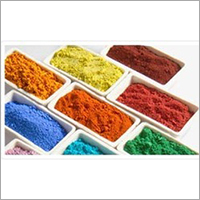
Dyestuffs
Resistance : Other, Good light and heat resistance
Strength : High color strength
Application : Other, Textile Paper Plastic Leather
Solvent Color : Variable
Water Resistance : High
Poisonous : Nontoxic or dependent on type, Other
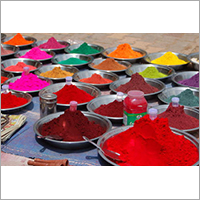
Fabric Dye
Resistance : Other, Hightemperature resistance
Strength : High color strength
Application : Textile and garment dyeing, Other
Solvent Color : Varied (multicolor)
Water Resistance : Moderate
Poisonous : NO

Contact Details
NAVIN CHEMICALS
GST : 24AABFN5399N1ZP
GST : 24AABFN5399N1ZP
Address
- PLOT NO. 317/4 AND 5, 40 SHED AREA GIDC ESTATE,Vapi - 396195, Gujarat, India
- Phone :08045803096
- Send Inquiry
 Send Inquiry
Key person
- Mr Rajnikant Patel (Partner)
- Mobile :08045803096

|

 |
NAVIN CHEMICALS
All Rights Reserved.(Terms of Use) Developed and Managed by Infocom Network Private Limited. |
