


 English
 Spanish
 French
 German
 Italian
 Chinese (Simplified)
 Japanese
 Korean
 Arabic
 Portuguese

Aniline Chemical
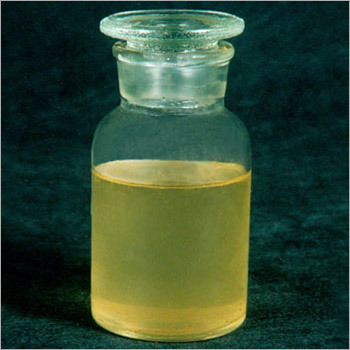

Aniline Chemical Specification
- Poisonous
- Yes
- Structural Formula
- C6H5NH2
- Solubility
- Soluble in water, alcohol, and ether
- HS Code
- 29214110
- Purity
- 99%
- Boiling point
- 184 C
- Taste
- Burning
- Shape
- Liquid
- Smell
- Characteristic aromatic odor
- Form
- Colorless to slightly yellow oily liquid
- Ph Level
- Slightly basic
- Molecular Weight
- 93.13 g/mol
- Density
- 1.0217 Gram per cubic centimeter(g/cm3)
- Other Names
- Aminobenzene; Phenylamine
- Refractive Rate
- 1.586 at 20C
- Melting Point
- 6 C
- Molecular Formula
- C6H7N
- Classification
- Aromatic Amine
- Chemical Name
- Aniline
- Grade
- Industrial Grade
- Standard
- Conforms to industrial standards
- Type
- Organic Compound
- Usage
- Industrial, Laboratory
- Main Material
- Aniline
- Application
- Intermediate for dyes, drugs, and chemicals
About Aniline Chemical
Aniline
Our quality based approach enables us to manufacture and export a superior range of Aniline. Also known as phenylamine or aminobenzene (C6H5NH2), this chemical has properties such as colorless appearance, low melting point, high boiling point and low solubility in water. Broadly used for processing rubber chemicals, pigments and dyes, our Aniline possesses characteristics like precise pH value, purity and longer shelf life. In order to formulate high quality chemicals, we use only premium grade compounds at our state of the art laboratory.
Further Details:
Aniline of a benzene ring and an amino group. The chemical structure of aniline is shown at the right. Aniline - Synthesis. Aniline can be produced from benzene in two steps. First, benzene is nitrated (reacted with nitric acid, a form of electrophilic substitution reaction) to give nitrobenzene. Second, the nitrobenzene is reduced to give aniline.
Specifications -
| Aniline Purity | 99.9% by wt., min. |
| Nitrobenzene | 2 ppm by wt., max. |
| Water | 0.1% by wt., max |
| Colour | APHA 100 max., at the time of loading into the road tanker or at the time of drum filling |
| CAS No. | 62-53-3 |
| UN No. | 1547 |
Uses:-
| Rubber Chemicals: | Antioxidants, Accelerators, Vulcanising Agents |
| Photographic Chemicals: | Hydroquinone |
| Dyes & Dye Intermediates: | Acetanilide, Cyclo Hexyl Amine, Aceto Acetanilide, Diethoxy Aniline, P-Amino Azo Benzene, Diethyle Aniline, Dimethyl Aniline, Diphenyl Aniline, Sulphanilic Acid, 2-5 Dimethoxy Aniline |
| Pharmaceutical : | Analgin, Isopropyl antipyrine, Sulpha Drugs, Oxyphen Butazone, Vitamin B2 |
| Isocyanates : | Methylene Diphenylene Di Isocyanate (MDI) |
| Others: | Pesticides, Insecticides, Herbicides, Fungicides etc. |
Packaging and Supply:- Road tankers or 200 Kg net new steel barrels
Exporting countries: - Saudi Arabia, Egypt, Iran, Isreal, Dubai, Doha Qatar etc regularly on FCL basis.
Applications and Versatility
Aniline serves as a crucial intermediate in the manufacture of dyes, pharmaceuticals, and various chemicals. Its high purity and compatibility with several solvents make it especially useful in industrial and laboratory environments. The compounds stable shelf life of 24 months and compliance with quality standards ensure reliable performance in specialized applications.
Safe Handling and Storage
Due to its toxicity and classification as a hazardous substance (Hazard Class 6.1), aniline must be handled with caution. It should be stored in tightly sealed HDPE drums away from oxidizers, acids, and halogens. Its stability under recommended conditions and a clear shelf life enable safe, long-term storage for industrial users.
Environmental and Safety Considerations
Aniline is harmful to aquatic life and must be managed with environmental safety in mind. Spills should be avoided and any waste disposed of according to local regulations. The compound has a moderately high flash point (70C) and autoignition temperature (540C), suggesting it is not highly volatile but should be kept away from potential ignition sources.
FAQs of Aniline Chemical:
Q: How should aniline be safely stored and handled?
A: Aniline should be stored in tightly sealed 200 liter HDPE drums, away from strong oxidizing agents, acids, and halogens. Always use appropriate protective gear, ensure proper ventilation, and avoid exposure to heat or flame. Follow all local safety and environmental regulations during handling.Q: What are the common uses of aniline in industry and laboratories?
A: Aniline is primarily used as an intermediate for the synthesis of dyes, pharmaceuticals, and various chemicals. Its solubility in water, alcohol, and ether makes it suitable for multiple industrial processes and laboratory experiments.Q: Where can aniline be purchased in India, and what packaging options are available?
A: Aniline can be sourced from reputable distributors, exporters, manufacturers, suppliers, and traders across India. It is commonly supplied in 200 liter HDPE drums, though custom packaging solutions can also be arranged upon request.Q: What is the benefit of using high-purity (99%) aniline for chemical processes?
A: Using high-purity aniline ensures consistent quality and performance in chemical reactions, resulting in higher yields and fewer impurities. This is especially critical in the production of pharmaceuticals, dyes, and specialty chemicals.Q: When does aniline reach the end of its shelf life, and how is its stability maintained?
A: Aniline has a shelf life of 24 months when stored under recommended conditionscool, dry, and tightly sealed in original packaging. Its stability is preserved by avoiding exposure to incompatible materials and direct sunlight.Q: What is the process for safe disposal of aniline and its waste?
A: Aniline and its waste must be disposed of in accordance with local environmental guidelines, as it is classified as toxic and harmful to aquatic life. Authorized hazardous waste handlers should be consulted to ensure environmentally responsible disposal.Q: How is anilines toxicity classified and what precautions are necessary during use?
A: Aniline is classified under Hazard Class 6.1 as a toxic substance. Users should employ personal protective equipment, avoid inhalation and skin contact, and implement strict hygiene measures to prevent accidental poisoning or environmental contamination.Tell us about your requirement

Price:
Quantity
Select Unit
- 50
- 100
- 200
- 250
- 500
- 1000+
Additional detail
Mobile number
Email

More Products in Industrial Chemicals Category

Ethyl Acetate
Chemical Name : Ethyl Acetate
Form : Other, Clear Colorless
Storage : Other, Store in a cool wellventilated area away from heat sources and open flames
Usage : Paints Coatings Adhesives Cleaning Agents
Grade : Industrial Grade
Classification : Organic Compound, Other

Nitric Acid
Chemical Name : Nitric Acid
Form : Colorless or yellowish liquid, Other
Storage : Other, Store in a cool dry and wellventilated area away from flammable substances.
Usage : Used in the production of fertilizers explosives and in industrial chemical synthesis.
Grade : Reagent Grade
Classification : Other, Inorganic Acid
TDI (Toluene diisocyanate)
Chemical Name : Toluene Diisocyanate
Form : Other, Colorless to pale yellow liquid
Storage : Other, Store in a cool dry wellventilated area away from incompatibles such as acids and bases
Usage : Used in the production of polyurethane foams coatings adhesives and sealants
Grade : Industrial Grade
Classification : Chemical Compound, Other

T G Urea
Chemical Name : Urea
Form : Solid
Storage : Other, Keep in a cool dry and ventilated place away from moisture
Usage : Used in agriculture as a nitrogenrelease fertilizer
Grade : Technical Grade, Other
Classification : Other, Fertilizer

Contact Details
NAVIN CHEMICALS
GST : 24AABFN5399N1ZP
GST : 24AABFN5399N1ZP
Address
- PLOT NO. 317/4 AND 5, 40 SHED AREA GIDC ESTATE,Vapi - 396195, Gujarat, India
- Phone :08045803096
- Send Inquiry
 Send Inquiry
Key person
- Mr Rajnikant Patel (Partner)
- Mobile :08045803096

|

 |
NAVIN CHEMICALS
All Rights Reserved.(Terms of Use) Developed and Managed by Infocom Network Private Limited. |
